

What to Do After an Autism Diagnosis: Expert Advice for Parents in Asia

Dr. Minna Chau offers advice to help parents navigate an autism diagnosis, understand reports, and prioritize therapies for their child’s unique needs.

Diagnosis

Share this article

Receiving your child’s autism diagnosis can feel overwhelming, even if you’ve suspected it for months or years. The confirmation might leave you feeling panicked, uncertain, and wondering what steps to take next. Do you need a second opinion? How should you understand the assessment report? Where do you even begin?

“Hearing that your child is autistic is overwhelming. It is the loss of hope and the beginning of the grieving process,” says Dr. Minna Chau, clinical psychologist and founder of Sprout In Motion, one of Hong Kong’s largest, multidisciplinary child development centres. “I always tell parents to let it sink in and read the Autism Speaks 100 Day Kit.” 

Rather than thinking of it as a label of limitation, Dr. Chau encourages parents to view the diagnosis as a way of communicating that their child’s brain is simply different and that they need to be equipped with the tools to live in a world that isn’t really built for them.

Do Parents Need a Second Opinion After an Autism Diagnosis?

One of the first questions that haunts many parents is whether the diagnosis is accurate. A second opinion is rarely about doubting the professional as much as it is about seeking confirmation for peace of mind, though not all assessments are created equal. While many families receive a thorough, compassionate evaluation, others walk away confused or with a diagnosis that doesn’t quite fit.

According to Dr. Chau, parents should consider seeking a second assessment if:

  • The first evaluation wasn’t satisfactory or didn’t give you enough information and guidance.
  • The doctor didn’t explain the diagnosis in a way you could understand.
  • You believe the assessment doesn’t truly reflect what you know about your child.

As Dr. Chau explains: "There is still a lot of stigma surrounding autism in Asia. Certain doctors won’t specify ‘autism’ on the report because they want to make parents happy."

Parents often don’t want to face that their child is autistic, so the doctor might conclude the child has ADHD, which might be true but not the whole picture. Denial is the worst thing for your child.

Teachers often notice a child’s progress—or lack of it—before parents do. Dr. Chau stresses that if your child’s school approaches you with these concerns, you shouldn’t resist their observations.

“Teachers observe your child every day with other children, so the first inkling about ASD in a child usually comes from their teacher,” Dr. Chau says. “Listen to them. Conflict with educators rarely helps your child; partnership does. But if you think something isn’t quite right, don’t wait for the school to alert you or help you to organise an assessment, as schools are often overburdened.”

Dr. Chau and her team typically spend hours assessing individual children. They observe the child in situ by visiting their school, speaking to teachers, and providing a detailed, multi-page report with clear recommendations. Don’t seek a second opinion simply to avoid the diagnosis you already know deep down is true. Instead, address it by seeking professional support for yourself rather than another assessment for your child.

The benefit of a second opinion is confidence. If the diagnosis is truly unclear, it can prevent incorrect therapies that are ultimately a waste of time and money. On the flipside, the main risk of seeking another evaluation is delay. While you wait months for a second assessment, your child might miss critical early-intervention windows.

How to Use and Understand Your Child’s Autism Diagnosis Report

According to Autism Care Collective, a good assessment report should be clear and unambiguous. It is an official and legal document that facilitates access to educational support, benefits, and workplace accommodations later in life. Think of it as a roadmap, containing the GPS coordinates for the support and care your child needs.

Dr. Chau takes a unique approach with her families: “I don’t give them the report before our feedback meeting. These reports can often be over 40 pages long, and I don’t want to overwhelm them. I summarise the report in parent-friendly terms, prioritise the intervention—this is what we need to do first—and offer an action plan.”

She also offers a modern tip: “These days, I encourage parents to get on board with AI. It can come up with insightful questions to ask your child’s psychologist, and if you upload the assessment report, you can ask for it to be explained in layman’s terms.”

For example, a clinical descriptor like “atypical social initiation” sounds much less daunting when translated as “The child tries to interact with others but does so in a way that might seem different or awkward to their peers. They need help starting to play.”

MINNA 2
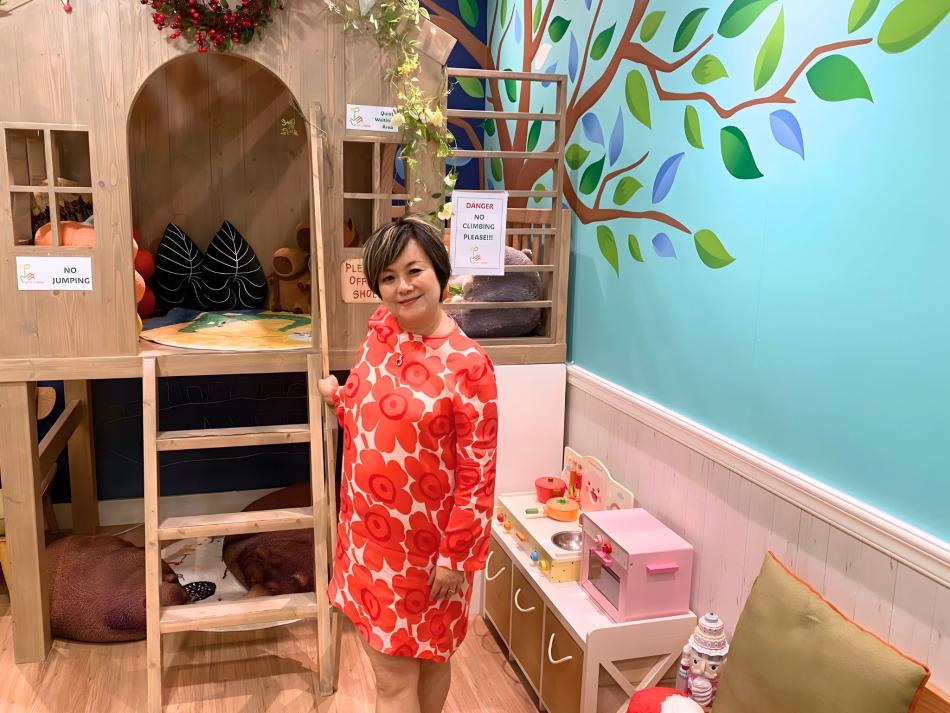
Dr. Minna Chau understands the stresses of receiving your child’s ASD diagnosis and offers practical strategies to help parents navigate this journey with strength and hope.

Therapies to Prioritize After an Autism Diagnosis

After receiving a diagnosis, it might be tempting to rush out and try every therapy available. Dr. Chau’s advice?

“Take everything one step at a time and understand that the therapies pathway isn’t one-size-fits-all. Ask your psychologist what to prioritise. If your child isn’t speaking, go for speech therapy first; if your child is having regular meltdowns, start with occupational therapy.

“For example, I recently saw a six-year-old child with ADHD and found out that he had 16 after-school activities. My initial advice was to reduce them. Sometimes, the most important recommendation isn’t adding therapy—it’s removing them to lessen the overwhelm."

“It depends on the functioning of the child, their age, stage and needs. Everyone is different and obviously, a primary school child has other challenges to navigate than a teenager about to hit puberty. I can’t just say to a parent ‘your child has autism’ and leave it at that. I’d have to go through the report thoroughly and look at the child as a person before deciding what building blocks they need.”

Finding Hope and Confidence as Parents After an Autism Diagnosis

The emotional toll of an autism diagnosis is real, often appearing as grief, exhaustion, or marital strain. You may feel relief (finally, answers), sadness (for the loss of the future you imagined), or anxiety (how will we cope?). All of this is normal.

“Parents often carry an unspoken script: their child will hit developmental milestones, go to university, get married. A neurodivergent child may well do all these things and more, just as a neurotypical child might take a different path,” says Dr. Chau.

She suggests parents talk to professionals about their emotions and connect with support groups, such as Optism and the SHHHK. She also shares videos on her WeChat account (Weixin 周碧潾博士DrMinnaChau) and hosts a regular Cantonese podcast on Little Red Book (Xiaohongshu 周碧潾博士).

Balancing therapies while maintaining family life is also essential, particularly for neurotypical siblings. Dr. Chau recommends trying to spend one-on-one time with neurotypical siblings and engaging in regular family activities like spending time in nature. Sprout centres also offer a family-friendly environment where siblings can play while their sibling receives therapy.

Finding Hope and Strength as Parents After an Autism Diagnosis

An ASD diagnosis won’t change who your child is. However, it will change what you understand about them—and that understanding is power. Yet, like all learning curves, getting to grips with ASD takes time.

Dr. Chau offers this: “I tell people that it is a new chapter of learning to be stronger parents. A special child gives you the opportunity to learn to become more loving and patient, have more self-compassion, and be a better person.”


For expert advice after an autism diagnosis, please visit Expert Hub for tailored guidance.