

Relocating with an Autistic Child: How to Find Autism-Friendly Schools in Asia

Immigrating or relocating for work with an autistic child can be challenging. Kristel Solomon shares tips on autism-friendly schools and support in Asia.

Relocate

Share this article

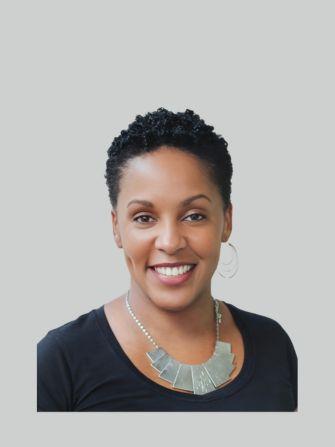
Kristel

Biography:

Kristel Solomon is an international educational consultant with more than 20 years of experience leading student support services. A dedicated advocate for inclusion and student success, she also serves as a global workshop facilitator and reviewer, advancing inclusive practices in international schools through training, collaboration, and strategic support.

Which cities are best equipped to support children with autism in Asia?

Each city has its own requirements for supporting students who have been identified with different kinds of learning differences. Likewise, the schools in these places are on their journey towards strengthening their services. 

I was at the Hong Kong Academy for many years. They have gotten to a place where they are thinking about the different ways of supporting other schools. 

The International School of Bangkok has been looking at not only how many students they might be able to support, but also the range of learners, with dedicated resources for students experiencing mild and more complex challenges from early years through graduation. 

Meanwhile, schools in Singapore and Malaysia has also made significant progress in inclusive education and individualized learning support for students with autism. 

How can families relocating internationally find autism-friendly schools and programs?

There are a number of professional organizations that parents relocating internationally don't typically look into, because instead of directories, they are global education networks and special education organizations connected to international schools. That being said, they are still helpful. You might be able to see where the educators from your desired schools have been and where they are getting their resources from.

Next Frontier Inclusion, for example focuses on supporting families who are navigating moving globally. ISLES (International School Leaders in Educational Support) connects leaders, directors and coordinators of student support programs at schools who are focused on advancing inclusive education. 

Researching member schools within these organizations can help parents identify schools with established autism support programs, learning support departments, and inclusive policies.

Are autism assessments and education reports transferable across countries or regions?

In many countries, formal special education documentation such as an Individualized Learning Plan (or Individualized Education Plan) is used to outline a child’s diagnosis, assessments, accommodations, and learning goals. 

Similar frameworks exist in the UK, Canada, the US and across international schools. Standardized assessments such as the WISC (Wechsler Intelligence Scale for Children) or Woodcock-Johnson Tests are internationally recognized and can support school placement decisions across countries. 

Bringing comprehensive psychoeducational assessments and autism diagnostic reports can significantly ease the transition. Equally important is the quality of the assessment: be aware of the psychologist’s approach, what they assess and how the interpretation is done. You can ask for a sample to get a sense of how comprehensive the reports actually are.

What should I look for when choosing the best school for my autistic child?

Start with a school’s mission, vision and core values. If a school has stated that it is important that all students are included, that it is willing to think outside of the box in the best interest of all learners, then you know you could work with the school and help it grow, even if they don't have everything "just right.”

In more practical terms, you would want to look into the resources that are embedded in-house, whether there are a learning support department and therapists, and what kind of professional learning resources available to all the teachers, specialist or not. 

relocate
When relocating, parents of neurodivergent students can select a new school by evaluating its flexibility and capacity to collaborate.

What red flags should I watch for when assessing autism support in schools?

If a school says, “No, we can't do that,” more often than “I'm wondering how we might be able to make something like this work,” that is a flag, because it might signal there is only one way of measuring success in that learning environment. 

How can I help my autistic child transition to a new school after relocation?

One of the things that parents are often most concerned about is wondering how much they share with the school, for fear that it would label them, that teachers could draw their own conclusions before actually meeting them. 

In reality, the more information that a school has, the better the school can prepare and help incoming students mitigate the challenges they are facing. 

Your child, depending on where they are developmentally, might also be able to advocate for themselves for what they need. Talk with them and try to work through together what makes their body feel dysregulated, and what they can do when it happens – asking for a break, taking deep breaths, moving to a safe area, picturing how they might reply when someone makes certain comments about them. 

What can I do to help my autistic child thrive in a new school long-term?

Long-term success for children with autism in international schools depends on strong parent-school collaboration. Establish clear communication early by arranging meetings with teachers and support staff to share your child’s strengths, challenges, and learning needs. 

You could propose setting up a communication journal to help you stay in touch, and getting an initial agreement on how to evaluate teaching strategies. In turn, the school would be able to say what they can or cannot do. With that, you can touch base at structured intervals.

Be sure to include your children in the process too. We can't be talking about them without them. If they are able to share what is going on for them, it reinforces the idea that they can be agents for their learning and that their voice matters.

Still have questions about relocating for education?  Visit Expert Hub for tailored guidance from our trusted experts!