
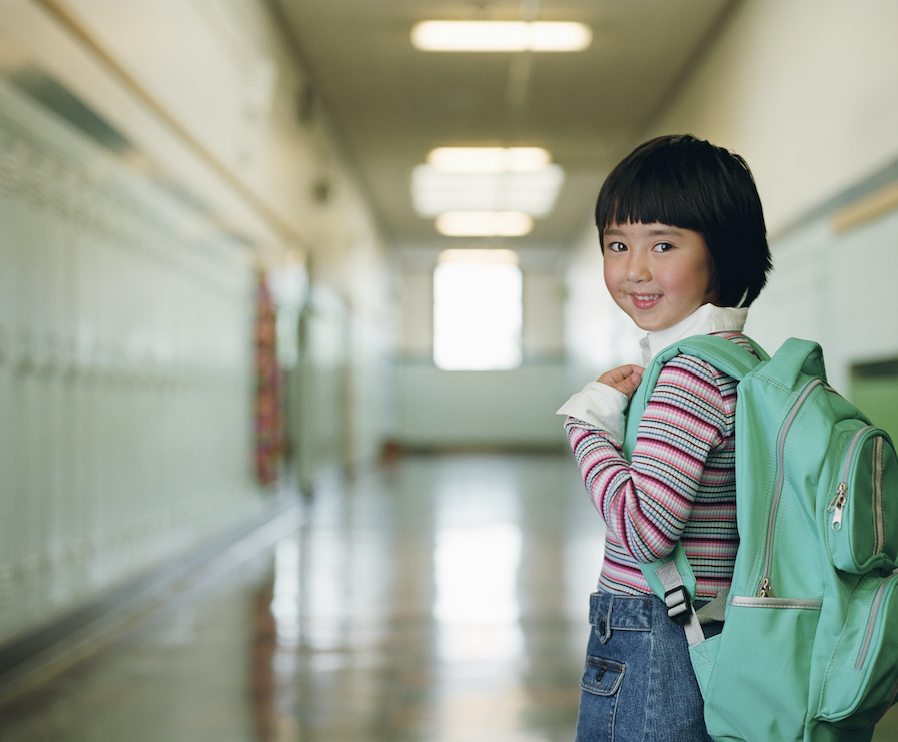

Preparing Children with Autism for Primary School

Transitions can be challenging for autistic children, especially starting primary school. Dr. Yvonne Becher shares practical strategies to help parents prepare for a smooth transition.

PRIMARY SCHOOL

Share this article

YVONNE BECHER

Biography:

Dr. Yvonne Becher’s work involves providing assessment, therapy and specialised education to children with SEN. Her success in cultivating an atmosphere of openness, tolerance and respect comes from the significant experience she gained from stints in private clinics and NGOs in Hong Kong, as well as government assessment centers and hospitals in Australia.

How can I emotionally prepare my child for the transition to primary school in Hong Kong? 

Kindergartens today do a lot to support early childhood development and school readiness, which is fantastic. However, emotional preparation should take place at home in parallel. “You’re now in K2 or K3. Soon you're going to a big school.” That sort of talk would be a good starting point. Be mindful that making a big leap could sound overwhelming, so focus on the positives and reducing anxiety. 

In addition, try to visit the school once you have a confirmed place, or just walk by if they don't let you in. A lot of schools during the summer will actually open up. Take advantage of that and take photos of the space. A lot of children with autism thrive on visual rather than verbal information, so that's really important. 

What skills do children with ASD need to develop before starting primary school?

Research repeatedly shows that it is not the intellectual skills that P1 teachers expect, but soft skills and being independent. That goes from putting shoes on to opening lunchboxes. The capacity to learn is something teachers prioritize over perfection. 

The next most important skill would be asking for help—knowing not to sit there and cry, but to go to a teacher and say, "I need help." Soft skills are often where children with autism are weaker, so it would be great to get a head start and practice them over time.

As for skills that are considered social, you might want your children to learn how to make new friends, asking “can I join you?” or initiate something, not to interfere and wait for their turn. Structured playdates or time at playgrounds can support social development and peer interaction.

How can I help my child with autism adjust to a structured school routine?

Children with autism thrive on routine and predictability. A visual schedule can also give them a very concrete idea about the activities they will participate in. Make a set of images about getting out of bed, having breakfast, onwards to lunchtime and tidying up the bag. It gives them a visual reminder of the routine, which is especially useful for children with autism.

Photos are a great agent to tell a social story too. Take a picture of them hopping onto the school bus, saying goodbye at the school entrance, and, possibly, showing the classroom or recess areas. Then, string all these photos together and make a little story booklet that reflects the real routine that will unfold. Their familiarity will grow looking at it repeatedly.

What sensory challenges might children with ASD face at school, and how can I help?

You might want to expose your child to a stimulating environment for practicing purposes, not just dragging them through, but teaching them self-help strategies. If things are too overbearing, you can tell them to cover their eyes and ears, count to 10 and take a deep breath. For children with more severe sensory needs, tools like noise cancellation headphones would be helpful. Even then, unexpected situations like the battery running out could occur. In those moments, it comes back to teaching the child to ask for teachers’ help, and getting the teachers informed, so appropriate accommodations are in place.

School
With the right strategy and support, transitioning to primary school for children with autism can be manageable and positive.

How can I work with teachers to ensure my child’s needs are met in an autism-inclusive classroom?

Effective parent-teacher communication is essential in supporting children with ASD. Instead of waiting for problems to arise, proactively share information about your child. I have seen parents write an email like this: 

“This is a table of attributes of my son. His strengths are listed in the left column, while those on the right are what he needs help with. For example, he can’t stand in line or sit down for longer than 10 minutes. Here is how the challenging situations have been handled at home successfully, and here is what the occupational therapist has said.” 

Without it, it could take the teacher weeks, if not months, to work out what works with this child. It sets everybody up for success, ensuring consistent autism support and an inclusive education environment. 

How do I handle separation anxiety in my child with autism during the school transition?

Separation anxiety in children with autism is common during school transitions. A simple strategy is to give the child a small comfort object, such as a note or token from a parent, as a reminder of connection. If that fails, try gradual separation practice – starting with short periods apart and increasing over time – which can build tolerance and confidence. 

Similarly, be prepared to experiment with different methods with children unwilling to go to school. The most important thing is finding the trigger, but children with ASD generally have a harder time verbalizing their feelings. To help them communicate, you and the teacher can have them point to pictures or emojis in reaction to different scenarios. 

How do I support my child with autism at home as they begin their school journey?

Consistency between home and school is essential for children with autism. Continue using structured routines, visual schedules, and organizational strategies after classes. Involving your child in daily planning can encourage independence. Ask them to pack their school bag or uniform for PE lessons the night before. Eventually, they will be able to execute these tasks themselves. 

Still have questions about school preparation? Visit Expert Hub for tailored guidance from our trusted experts!